Vision therapy is not eye exercises you do at home. It's a structured, evidence-based program that retrains how the brain and eyes work together. Here's what it actually involves.
Vision therapy comes up a lot when parents are looking for answers about a child's reading problems, attention difficulties, or unexplained school struggles. It also comes with genuine confusion. Is it just eye exercises? Does it actually work? Is it only for children?
Here's a straightforward answer.
Vision therapy is an optometrist-directed program that trains visual skills the brain and eyes need for reading, learning, and daily function. It targets functional vision problems — problems with how the eyes move, focus, and work together — rather than refractive problems like nearsightedness that are corrected with glasses or contacts.
Conditions commonly treated include:
Vision therapy is not the same as the eye exercise routines that circulate online. Those are generally unsupervised, untailored, and lack the progressive challenge and clinical monitoring that make in-office vision therapy effective.
A vision therapy program typically runs 10 to 40 weeks, with weekly 45 to 60-minute sessions at the clinic and 15 to 20 minutes of home exercises per day.
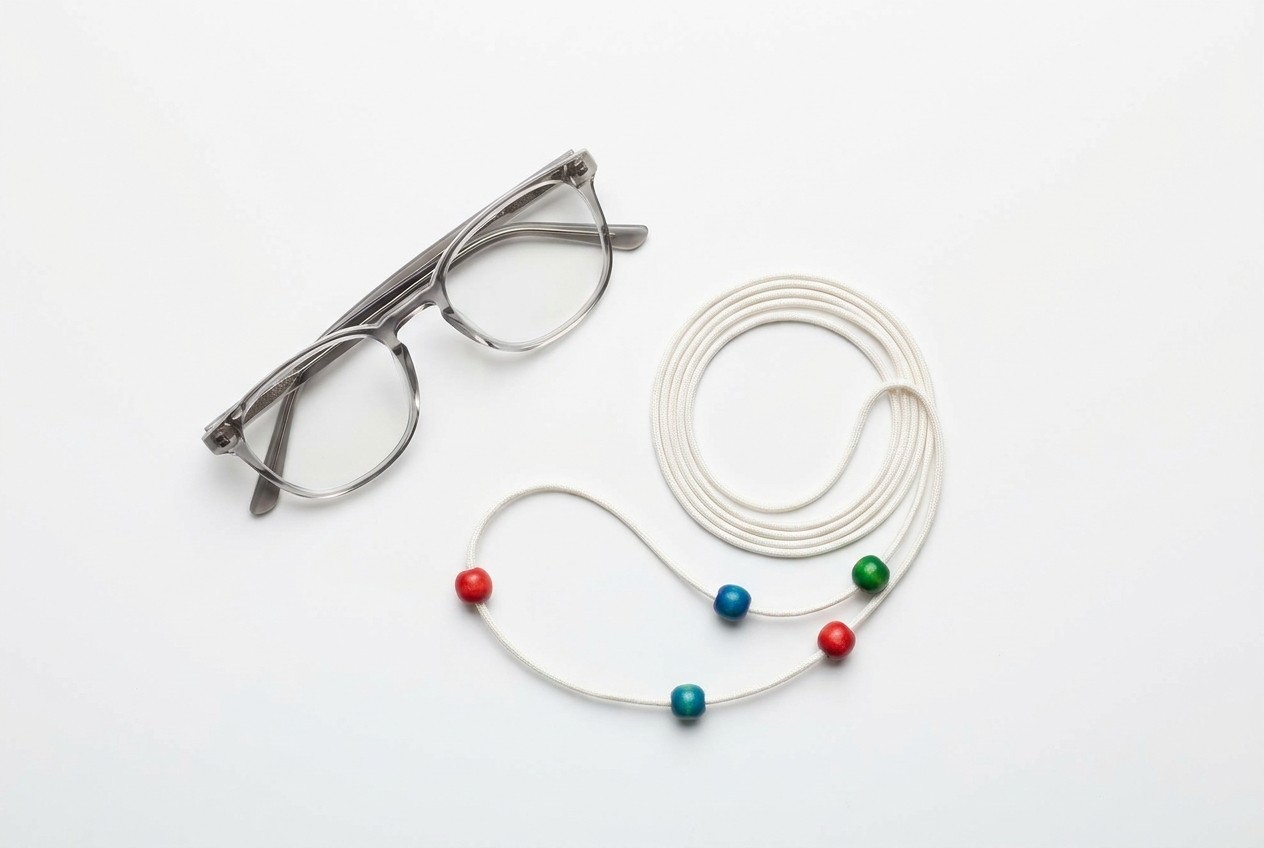
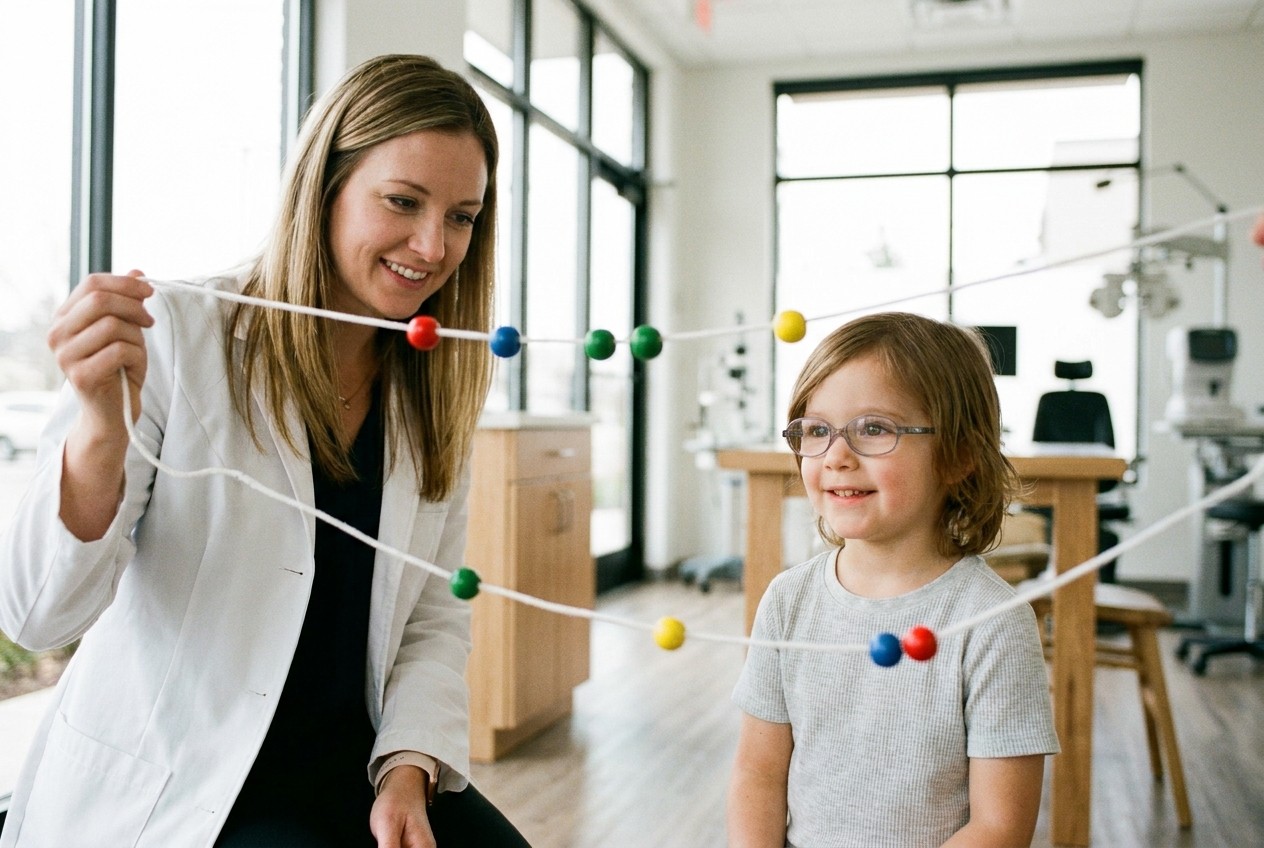
Sessions use specialized tools and techniques to train specific visual skills. Common tools include prism lenses, Brock strings (a string with beads at different distances used to train convergence and divergence), balance boards, specialized glasses with different lenses for each eye, and computer-based programs with real-time feedback. The activities are tailored to the specific deficits identified in the initial assessment and increase in difficulty as skills improve.
The optometrist monitors progress at regular intervals and adjusts the program based on clinical measurements. This oversight is what distinguishes vision therapy from self-directed exercises.
Vision therapy works because the visual system is neuroplastic — the brain's visual pathways can change in response to structured input. The eyes don't passively receive images; the brain actively constructs vision, and those neural processes respond to systematic practice.
The strongest evidence is for convergence insufficiency. The 2008 Convergence Insufficiency Treatment Trial, funded by the National Eye Institute, found that 12 weeks of office-based vision therapy resolved symptoms in 73% of children, significantly outperforming home exercises, prism glasses, or placebo therapy. Research also supports vision therapy for accommodative dysfunction and saccadic disorders.
Children are the most common patients, typically referred for reading difficulties, learning challenges, or ADHD-like symptoms. But vision therapy isn't only for children.
Adults who have had concussions often experience binocular vision problems that don't resolve on their own — headaches, dizziness, difficulty reading, sensitivity to light, discomfort in busy environments. Neuro-optometric rehabilitation uses vision therapy techniques to address these post-concussion visual symptoms, often when other treatments haven't helped.
Adults without a history of concussion can also benefit. Convergence insufficiency, for example, persists into adulthood and often goes undiagnosed until a functional assessment finds it. Adults who spend long hours reading or on screens and experience chronic eye strain or headaches are sometimes dealing with an untreated binocular vision problem.
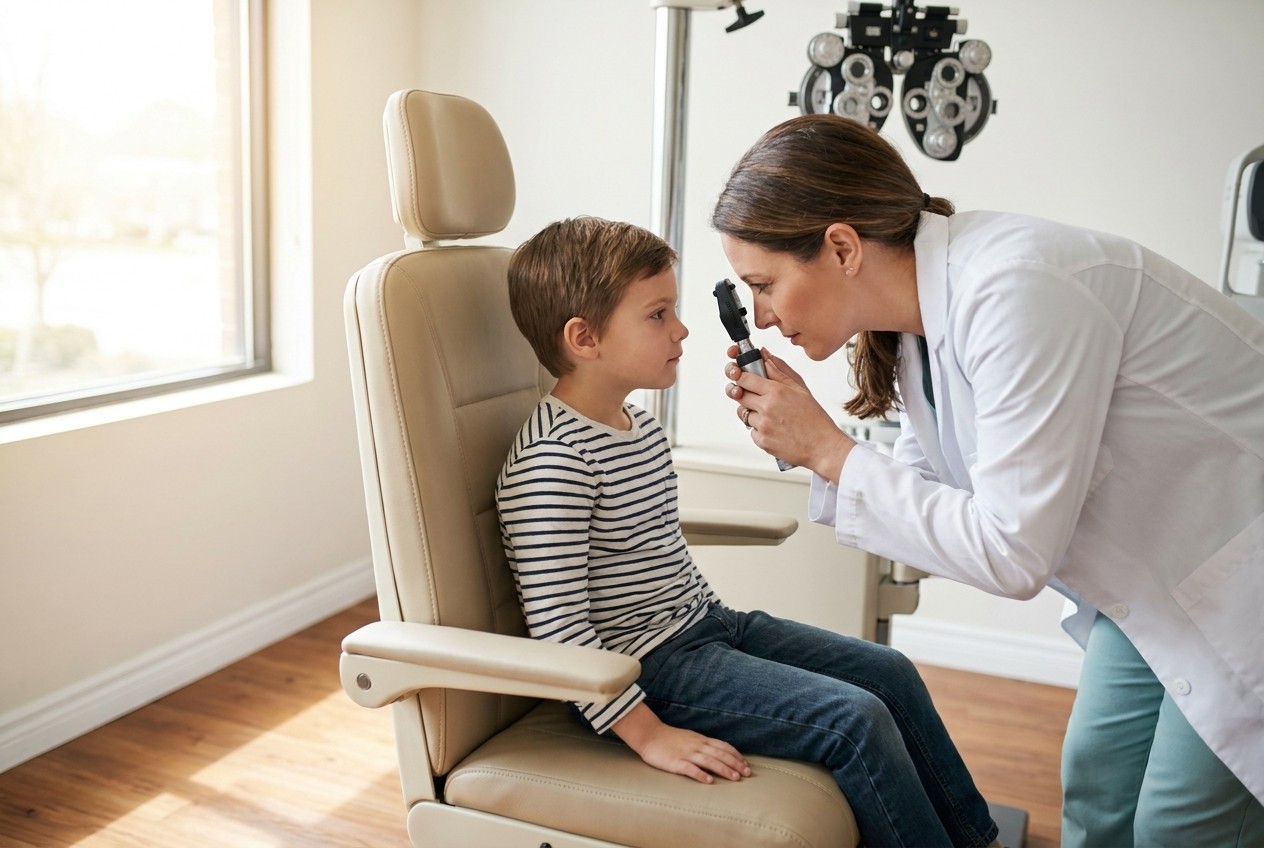
The process begins with a comprehensive functional vision assessment, which is different from a routine eye exam. The optometrist measures convergence near point, fusional vergence ranges, accommodative amplitude, saccadic accuracy, and other functional skills that standard screenings don't test.
Based on that assessment, a vision therapy program is prescribed for the specific deficits found. Most people notice some improvement within the first four to six weeks. Full results typically require completing the full program.
Vision therapy is not covered by OHIP. Most extended health insurance plans include some coverage for optometric services; how much applies to vision therapy varies by plan. It's worth calling your provider to ask specifically about vision therapy before your first appointment.
At Toronto Vision Therapy & Optometry in North York, we can help you understand your coverage options during the initial assessment. Book an appointment at tvto.ca/booking or call us at 416-498-3438.



Book a comprehensive eye exam or vision therapy consultation at our North York clinic.