Glasses correct what the eye sees. Vision therapy changes how the brain and eyes work together. Here's when you need one, the other, or both.
Both vision therapy and glasses improve vision. But they work on completely different things, and mixing them up is a source of real confusion — especially for parents who've been told a child "just needs glasses" while a teacher or specialist suggests vision therapy.
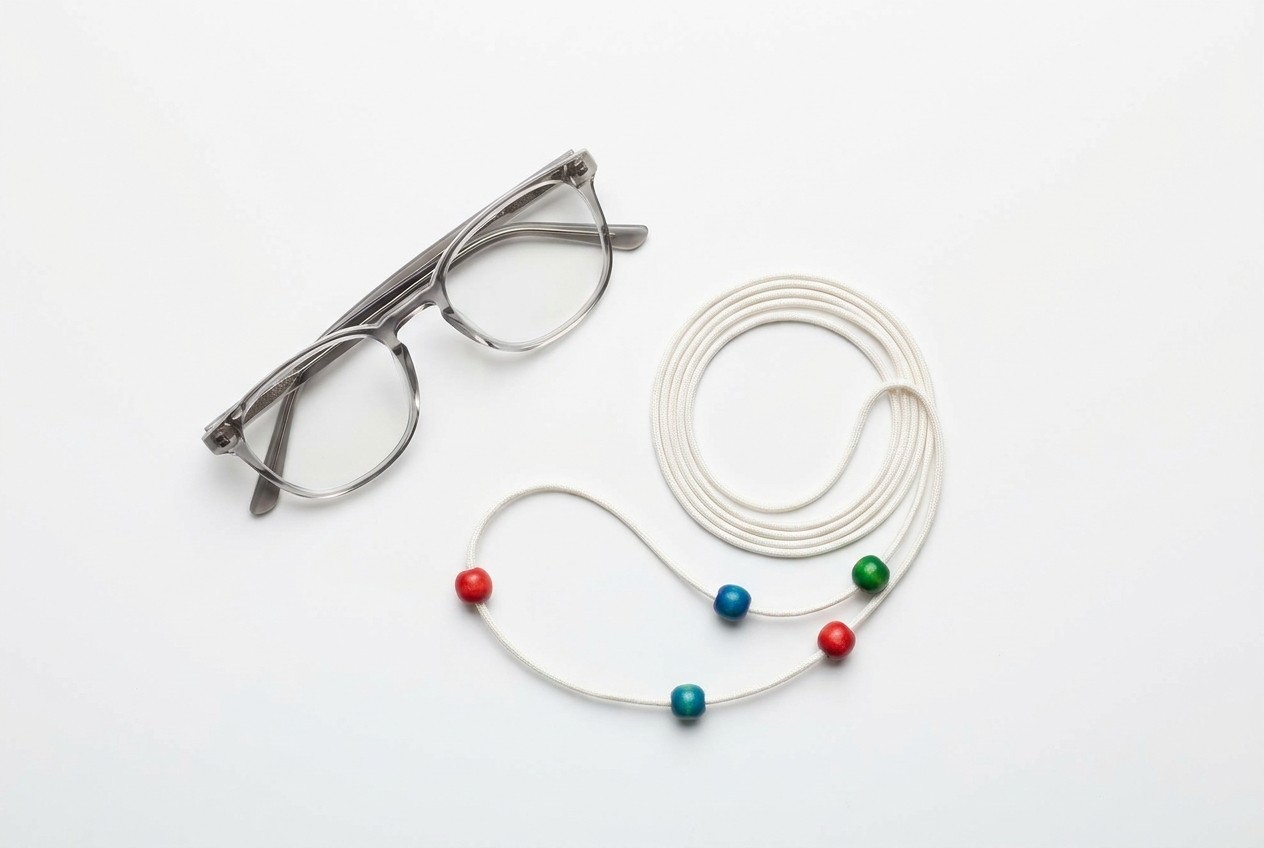
Glasses and contact lenses correct refractive errors. Refractive errors happen when the shape of the eye doesn't bend light correctly, so images don't land sharply on the retina. The main ones: myopia (nearsightedness, corrected with minus lenses), hyperopia (farsightedness), astigmatism (blur at all distances due to an irregularly shaped cornea or lens), and presbyopia (age-related loss of near focusing flexibility). Glasses are the right tool for these problems. They work well, and many children and adults need them.
Glasses don't change how the two eyes work together. They don't improve eye teaming, convergence, or the brain's ability to fuse images from each eye into a stable single image. They don't train the tracking system to move more accurately across a line of text. They don't speed up how quickly the focusing system shifts between near and far distances. These are functional vision skills — and they're what vision therapy addresses.
A child with both convergence insufficiency and myopia needs glasses for the blur and vision therapy for the eye teaming problem. Glasses alone won't fix convergence insufficiency. Vision therapy alone won't sharpen a genuinely myopic image.
Vision therapy is a structured program that trains the visual skills the brain and eyes use for reading, learning, and daily function. It targets eye teaming (how well the two eyes converge and maintain alignment), accommodation (how quickly and accurately the focusing system shifts focus), eye tracking (how accurately the eyes move across a line of text), and visual processing (how the brain interprets and acts on what the eyes see). These skills respond to structured, progressive training because the visual system is neuroplastic.
It's common for a patient to need both glasses and vision therapy. A child with myopia and convergence insufficiency needs corrective lenses for distance clarity and vision therapy for eye teaming. An adult with post-concussion binocular vision dysfunction may need prism lenses to reduce the immediate strain while vision therapy works on the underlying alignment problem.
Prism lenses sit somewhere between the two: prescription lenses that provide a functional correction, not just a refractive one. For some patients, especially those with vertical heterophoria, micro-prism correction produces significant symptom relief quickly. Vision therapy then works on whether the prism can be progressively reduced over time.
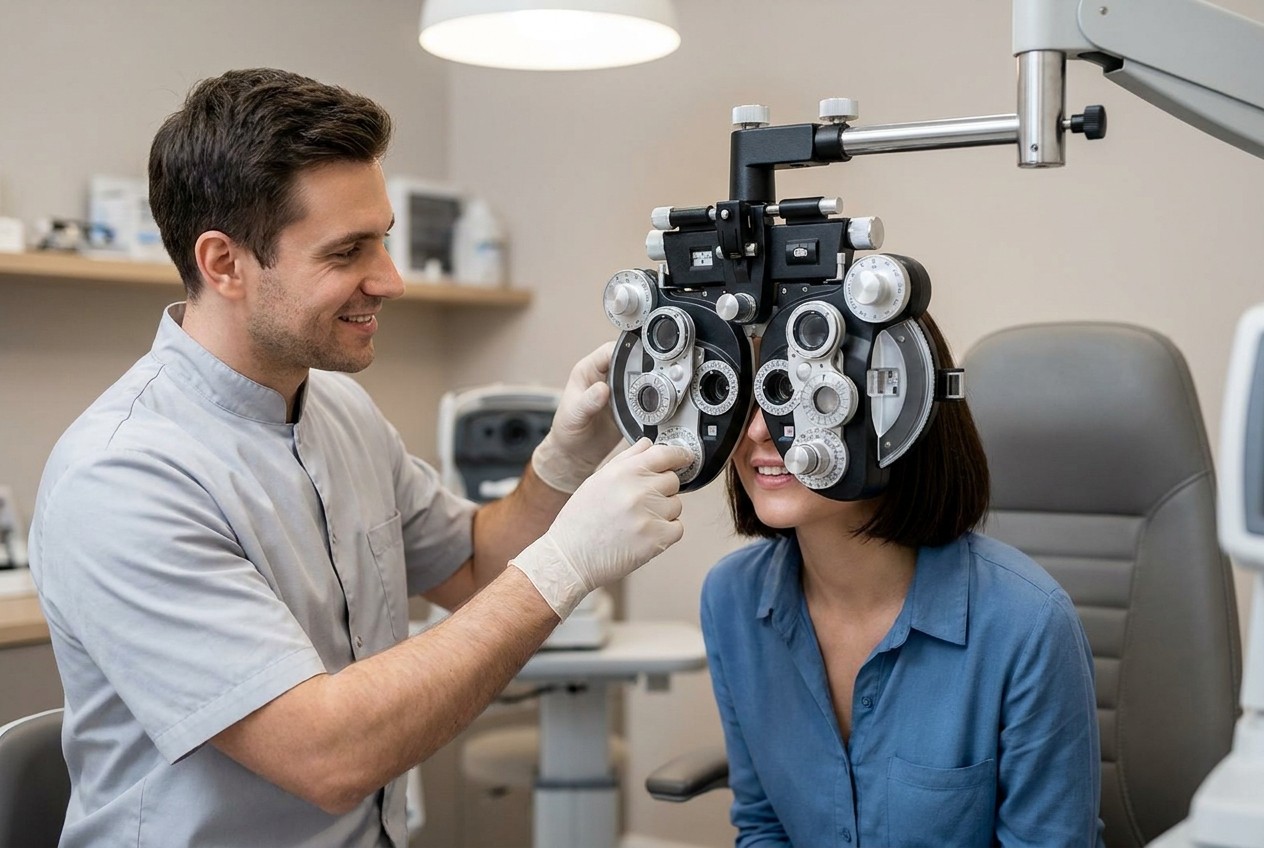
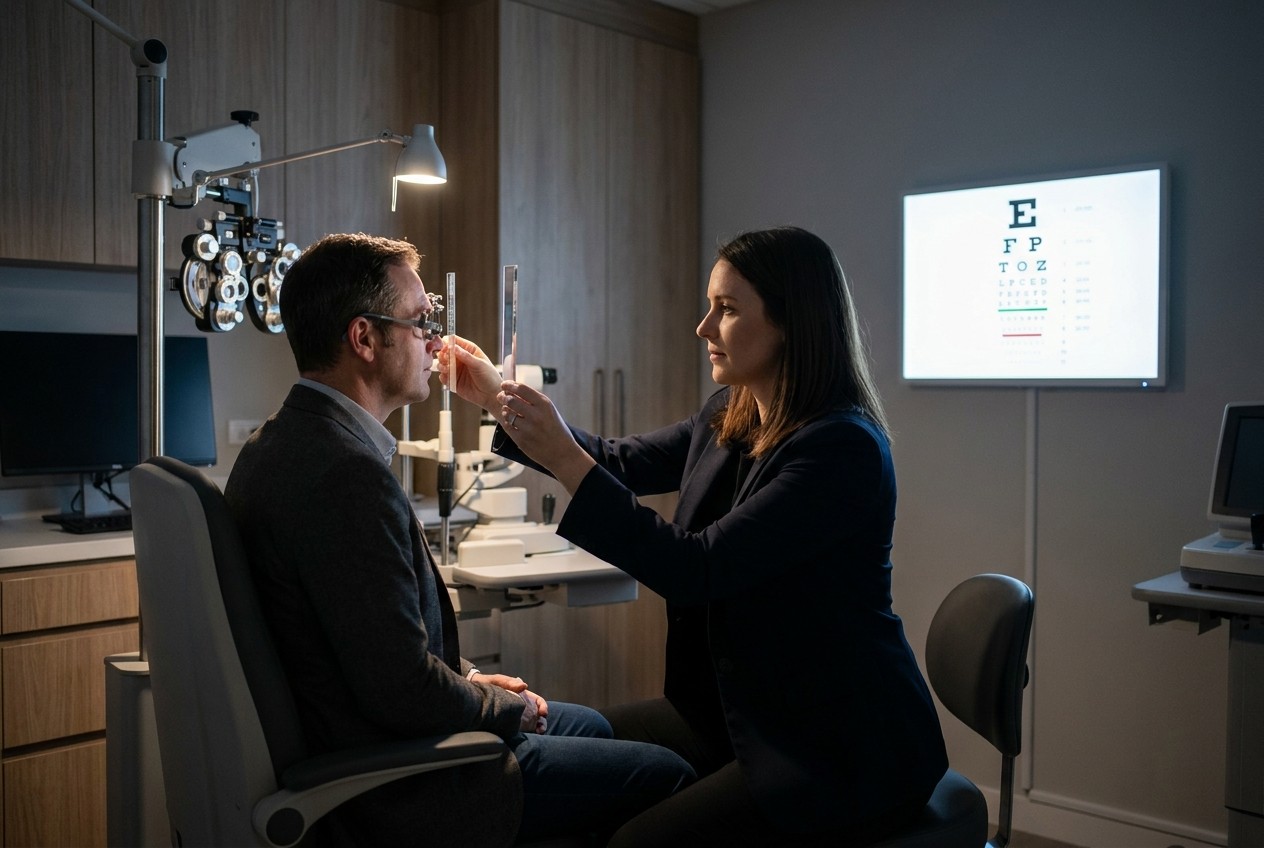
If your child has been prescribed glasses, it's reasonable to ask: Does my child also have any binocular vision problems or convergence issues? Will glasses alone address the reading difficulties, or is there a functional component? Should we have a functional vision assessment in addition to the standard exam?
At Toronto Vision Therapy & Optometry in North York, all new patient assessments evaluate both refractive status and functional vision. Whether your child ends up needing glasses, vision therapy, or both, the assessment gives a clear answer. Book an appointment at tvto.ca/booking or call us at 416-498-3438.



Book a comprehensive eye exam or vision therapy consultation at our North York clinic.